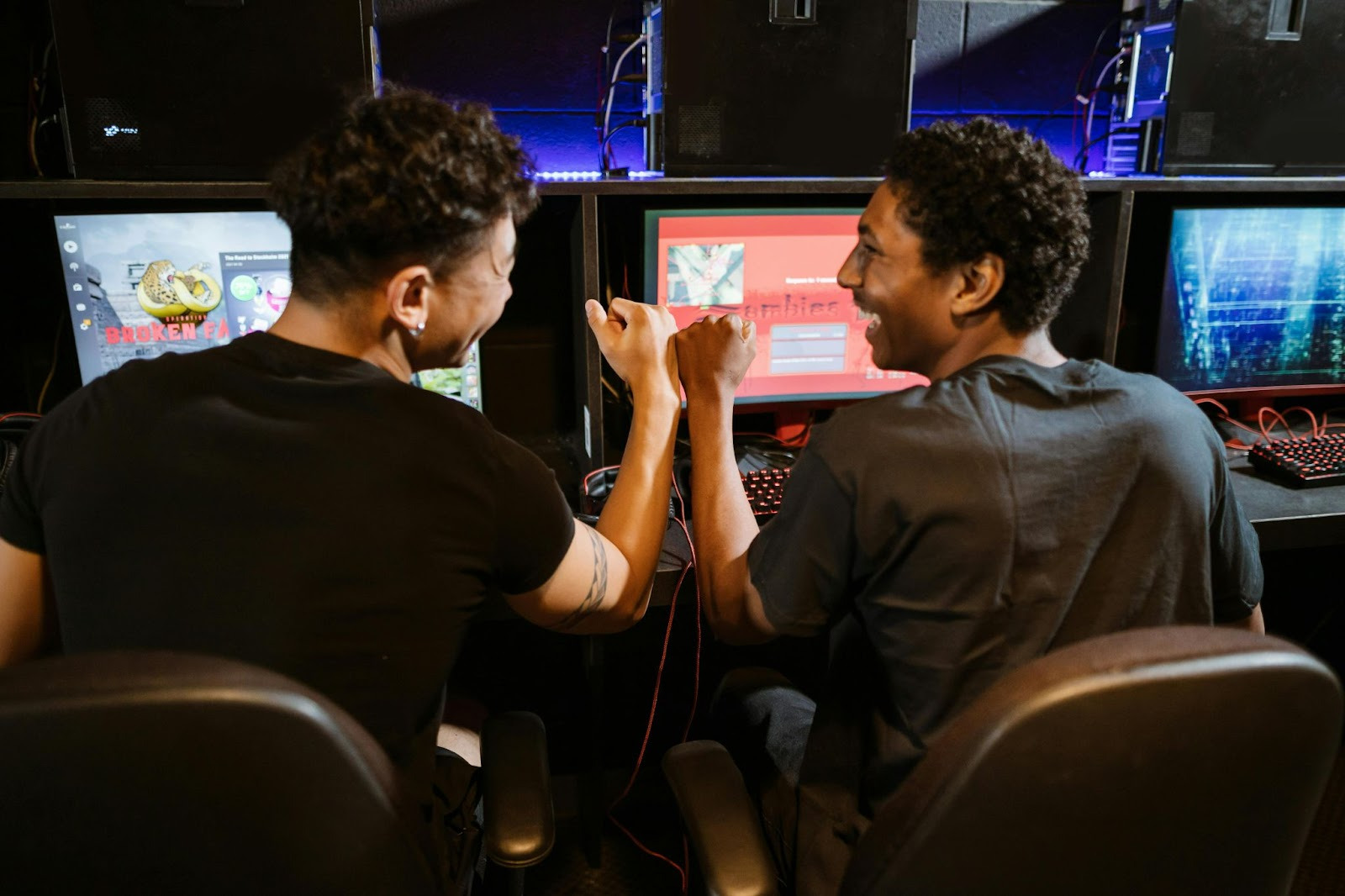
Computer games were meant for fun, but they eventually became much more than that. They now help people build a strong social connection on the other side of the computer screen. Quake, Fortnite, EverQuest, and World of Warcraft have millions of fans in different parts of the world. When playing these games, people need to communicate with each other to complete certain missions. This communication can eventually turn into a digital friendship. The same thing goes for simple video slots and video poker. When visiting GGBet, people can play live roulette or live blackjack and talk to each other in live chat at the same time. That’s how the online gaming space can successfully replicate the elements of the physical world. Social interactions don’t make an exception here.
How Multiplayer PC Games Create Early Online Friendships
Multiplayer games proved the value of social interaction. In original games, the success depended on teamwork. You couldn’t complete a task, win a match, or reach a goal without coordinating your actions with others. The cooperation between all players helped build mutual trust, which had a positive impact on the overall gaming performance.
Unlike traditional social media, multiplier gaming helped build online friendships organically. Players bonded while solving problems, taking on challenges, or discussing new features together. There was no pressure for small talk. All conversations felt authentic. For introverts, multiplayer games offered a low-pressure space to communicate with the rest of the world. Online gaming leaves no space for awkward silence. allowing people to form friendships most conveniently. Over time, online communication became just as valuable as offline communication.
Guilds, Clans, and Digital Communities
Online gaming imitates different social structures like guilds, clans, and digital communities. Each one serves its unique purpose, allowing players to build their interactions in a certain way. system. Guilds and clans in third-person shooter games remind small communities with clear rules, schedules, goals, and even traditions. Joining one of them marks the player’s belonging.
In World of Warcraft, guilds do active raids that require proper coordination between all players. It won’t be possible to achieve good results without trust in each other. A missed schedule or poor communication always have a negative impact on the team performance. In Counter-Strike, Dota, and League of Legends, people join different clans. They work together and support each other through wins and losses. Many players stay within the same team for years after building a strong bond.
Cooperative Gameplay and Shared Experiences
Cooperative gameplay plays a significant role in computer games. Players work together to complete raids, defend their bases, and execute different strategies. Achieving shared success creates powerful emotional memories that strengthen their connection. Even casual games contribute to social bonding. Sandbox games like Minecraft allow players to build worlds together, requiring strong collaboration. Strategy games require communication and planning, while survival games rely on mutual support when dealing with in-game threats. Each genre offers its own way to build a connection.
Shared experiences often extend outside the game itself. Players move from in-game chat to voice platforms like Discord. Gaming teams often serve as social hubs where players can discuss their hobby in detail. Those who don’t find enough support for their hobby in real life will appreciate the opportunities given by computer games. Streaming platforms further strengthened the sense of community. Watching others play, interacting in live chats, and participating in shared fandoms create additional layers of social connection.
Computer Gaming: Does It Really Have a Social Value?
Today, computer games create a special place for building social connections. Guilds and clans act as training grounds for communication, leadership, and cooperation. Multiplayer games teach players how to work with people from different cultural and social backgrounds. They don’t even need to see each other’s faces to have a proper conversation.
Gaming communities have to take on their own challenges, including some members’ aggressive attitudes and toxicity. But this kind of issue can be monitored by professional moderators. The majority of players are eager to maintain inclusive, supportive environments. After all, they come here for fun, not chaos.
Computer games prove that friendship doesn’t have geographic boundaries. It requires shared experiences, mutual goals, and time spent together. Despite a common assumption, millions of players around the world don’t want to escape reality. They are looking for connection in a digital world that feels surprisingly human.

